+86-596-7581808
video

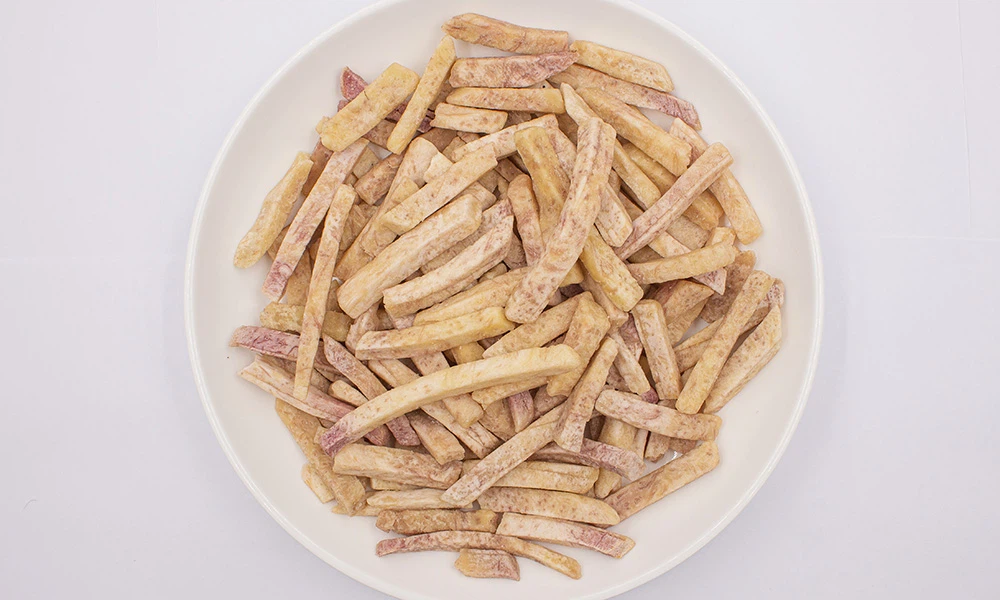
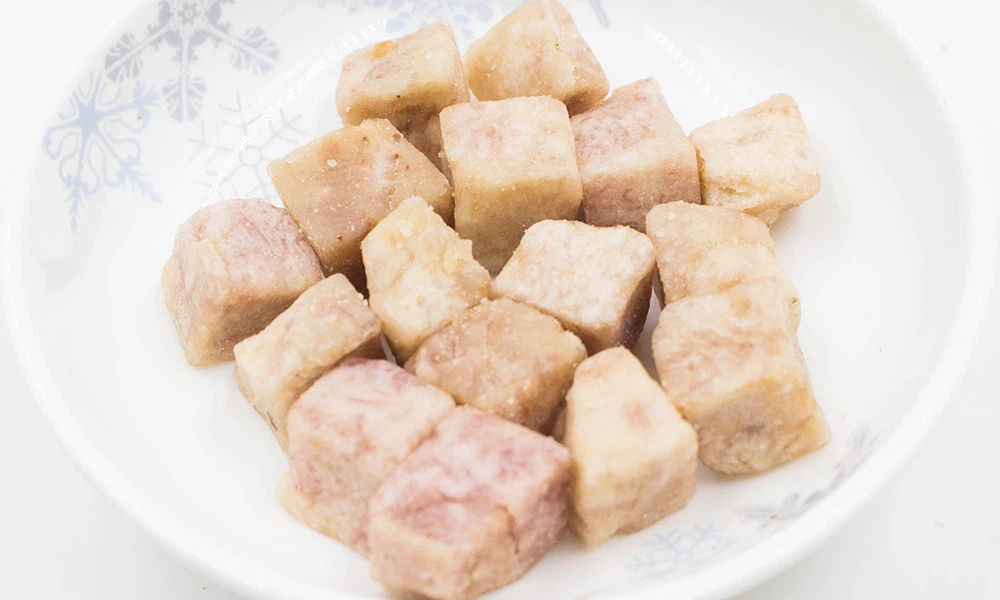
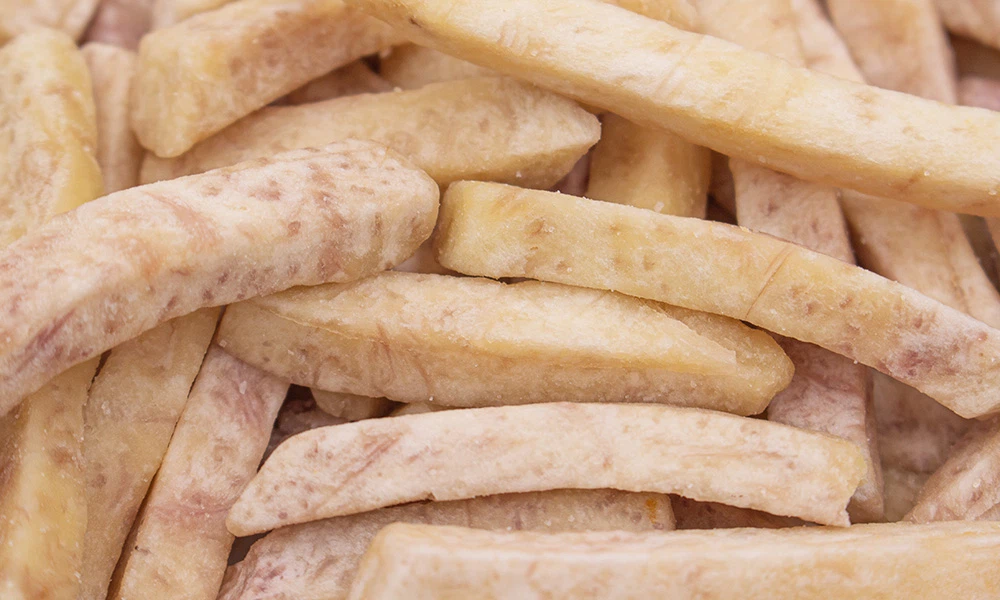
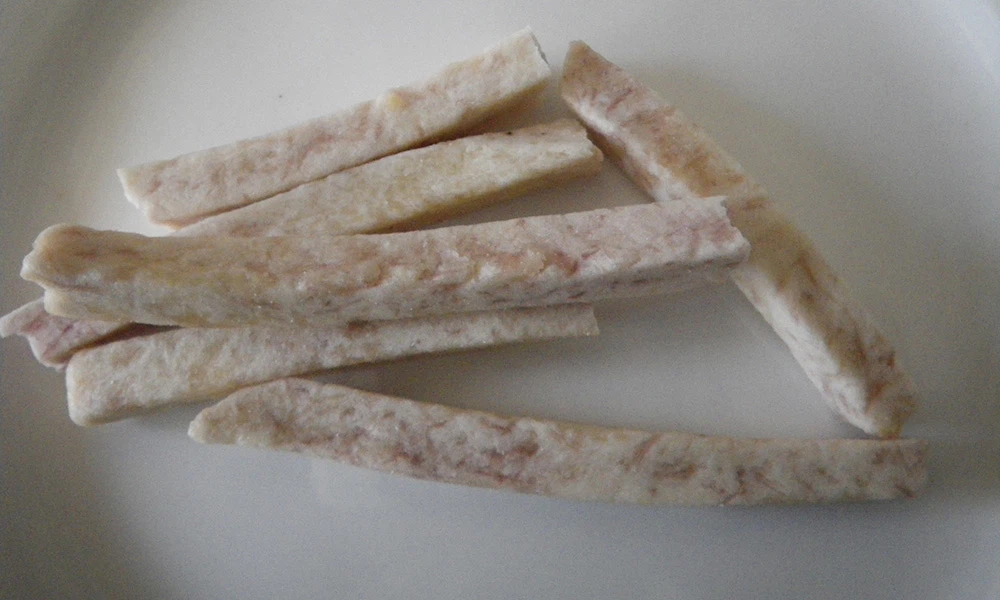
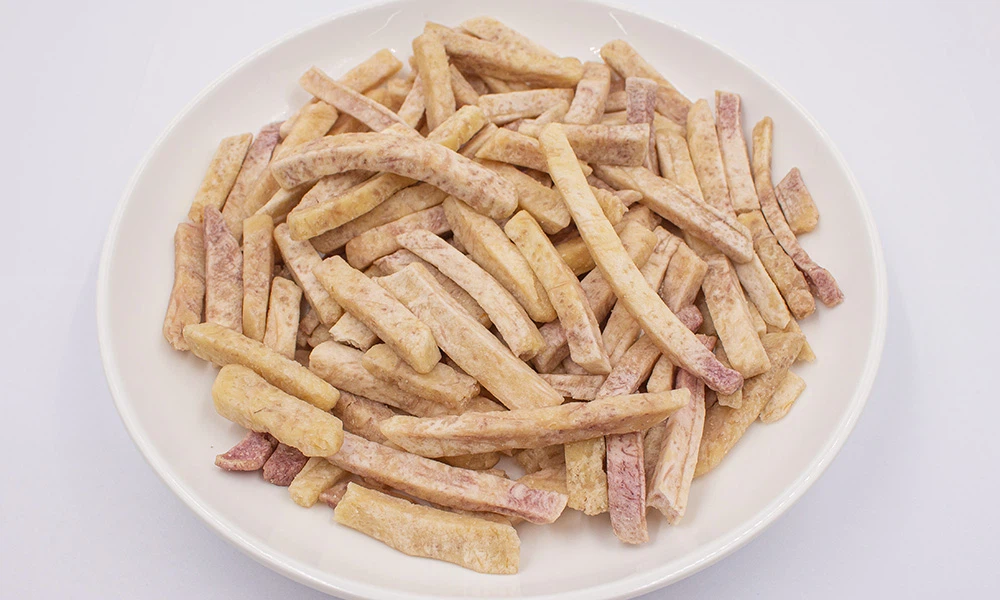
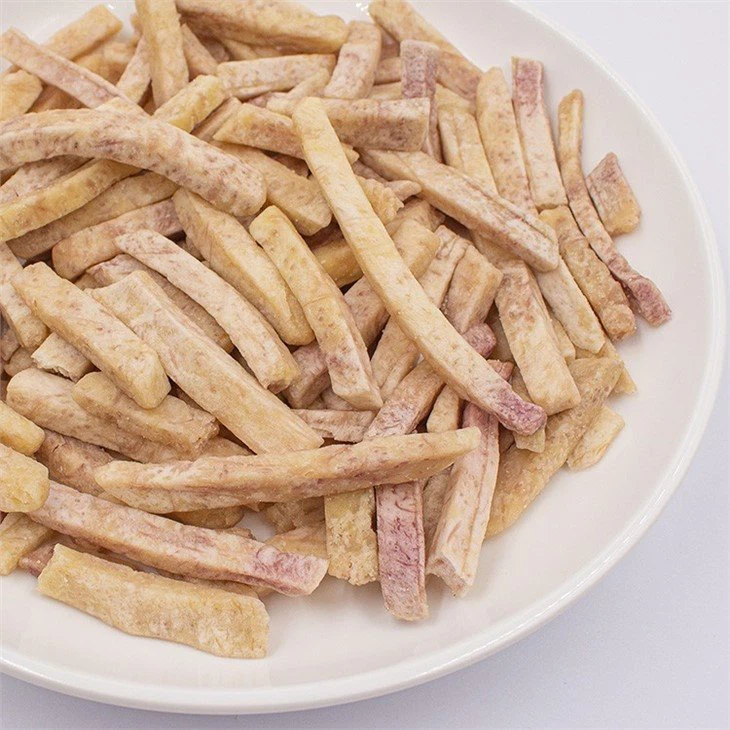
Vacuum Fried Taro Crisp

Specification: (Strip) Thickness: 1*1mm, Length: ≥20MM
Season: September-December
Brand: OEM or ASIA FARM
Processing method: Vacuum dehydration processing technology
Preservation method: Store in the shade at room temperature

Description

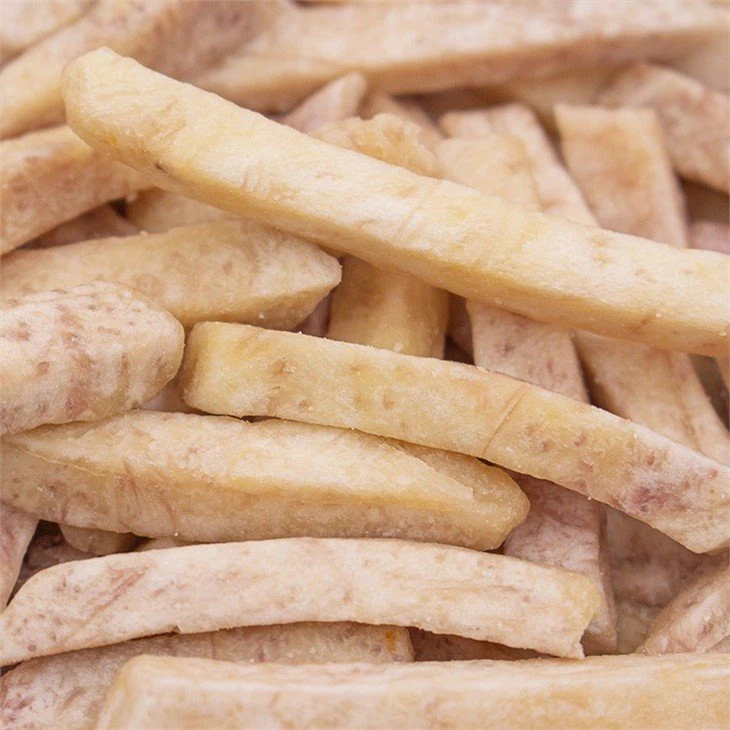
        Vacuum fried taro crisps processed under low-temperature frying technology to maintain taro starch structure, clean fracture texture, and stable light-purple appearance for snack brands and food manufacturing applications.


Product Specifications

Product Name

Vacuum Fried Taro crisp

Ingredients

Taro,Vegetable oil,Maltose

Specification

(Strip) Thickness: 1*1mm, Length: ≥20MM

Certificate

ISO 22002,HACCP,KOSHER,BRC,HALAL

Shelf life

12 months

Edible method

Ready to eat

Season

September-December

Brand

OEM or ASIA FARM

Processing method

Vacuum dehydration processing technology

Preservation method

Store in the shade at room temperature

Ways of payment

LC or TT

TT 50% of the purchase price after the contract is signed and TT 50% of the purchase price before shipment.


product-1000-408

Packaging & Delivery

Delivery time

15 days

Export port

Xiamen Port, China (The factory is about 1.5 hours' drive from Xiamen Port)

Nearest airport

Xiamen Gaoqi International Airport, China (The factory is about 1.5 hours' drive from Xiamen Gaoqi International Airport)

Packaging details

Supermarket or convenience store (color printing bag 50~100g/bag)

Business use (aluminum foil bag 1kg/bag)

product-1000-600

Starch Structure Control

Taro contains dense starch and high internal moisture, requiring slower dehydration than common vegetable chips.
Multi-Stage Vacuum Frying
Vacuum pressure is reduced gradually during frying to prevent rapid surface hardening while internal moisture is still trapped.
Controlled Slice Thickness
Slices are typically controlled within a stable thickness range to improve heat penetration and reduce hard-center formation.
Low-Temperature Dehydration
Lower frying temperature helps reduce excessive starch hardening and burnt edge formation.
 

product-1000-600

Oil Absorption Management

Vacuum Pressure Control
Stable vacuum pressure reduces excessive oil penetration into porous starch tissue during dehydration.
Oil Filtration System
Continuous oil filtration helps reduce dark surface spots caused by starch residue buildup during frying.

product-1000-600

OEM Capability

Available Customization
  • Thin or thick cut formats
  • Light seasoning systems
  • Retail packaging design
  • Bulk foodservice packaging
  • Mixed vegetable chip formulations

product-1000-600

Packaging System

Moisture Barrier Packaging
Helps maintain crisp texture stability.
Anti-Breakage Structure
Reduces chip fragmentation during transportation.
Nitrogen Flushing Option
Helps reduce oxidation and maintain product freshness.

product-1000-600

FAQ

Why do taro chips sometimes become too hard?
Excessive dehydration or uneven slice thickness can create hard internal texture after frying.

What makes taro crisps different from potato chips?
Taro contains denser starch structure, creating a firmer crunch and different mouthfeel compared with potato chips.

Why can taro chips absorb more oil?
The porous starch structure of taro can absorb oil during frying if vacuum pressure and de-oiling are not properly controlled.

What affects crunch consistency in taro crisps?
Crunch stability depends on slice thickness control, moisture reduction uniformity, and packaging humidity protection.

Are taro crisps suitable for mixed vegetable snack products?
Yes. They are commonly blended with sweet potato, beetroot, and root vegetable chips in premium snack systems.

product-1000-600

product-1000-600


Hot Tags: vacuum fried taro crisp, China, manufacturers, factory, wholesale, price

Contact Supplier