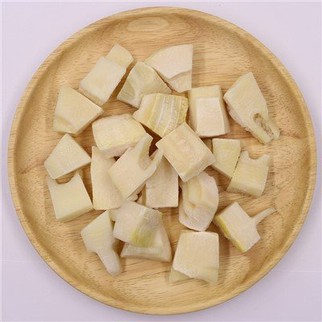
1. Choose vegetables suitable for freezing
First of all, you have to pay attention to choosing some vegetables that are suitable for freezing. Generally recommended choices: peas, corn, broccoli, carrots, cauliflower, onions, squash, etc. These are relatively stable. Vegetables with a lot of water such as tomatoes, cucumbers, and eggplants will become soft when thawing and cooking, so it is not recommended.
2. Blanch before freezing
You can change the vegetables into a shape that can be put directly into the pot, and then blanch the water, which is equivalent to a blanching effect. On the one hand, it can kill some bacteria, and on the other hand, it can make the color of vegetables better, including blanching to destroy the activity of oxidase in vegetables, preventing oxidase from destroying chlorophyll, and it is not easy to produce odor ( Especially the ones like broccoli that are prone to have a special smell).
3. Drain the water
You must ensure the safety of the water in your own home. At the same time, remember to drain the water on the vegetables. You can gently squeeze out the excess water to avoid the quality being affected after freezing.
4. Small package to avoid repeated thawing
Pay attention to packaging in small packages, enough for the family to eat, to avoid the safety risks caused by repeated thawing. When packing, try to remove as much air as possible. Try to lower the temperature in the freezer compartment of the refrigerator, or choose the coldest floor, close to the freezer unit of the refrigerator.
5. Thaw
In general, boiling with water is not encouraged. Steaming or heating in microwave ovens can retain more nutrients and have relatively little impact on the quality of fruits and vegetables. If you have an oven at home, consider using an oven with a hot air blower to defrost.