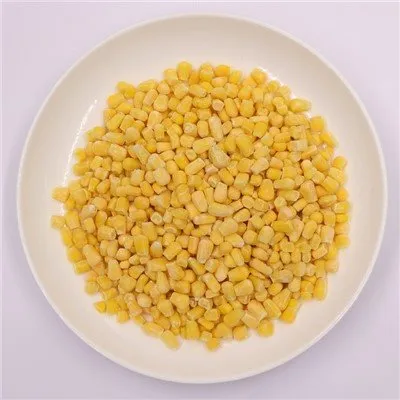
Like beta carotene, vitamin E, minerals, and dietary fiber that are relatively high in vegetables, the loss in frozen vegetables is not too great. Moreover, the storage of polyphenolic antioxidants in vegetables after quick freezing will have a better effect.
Frozen vegetables may cause the loss of some water-soluble vitamins such as vitamin C and vitamin B. However, this kind of situation also exists in the transportation and storage of vegetables at room temperature.
If we must compare, the loss of "moisture" is probably the biggest difference between quick-frozen vegetables and vegetables at room temperature. This can only destroy the taste, and does not affect the absorption of nutrients by the human body.